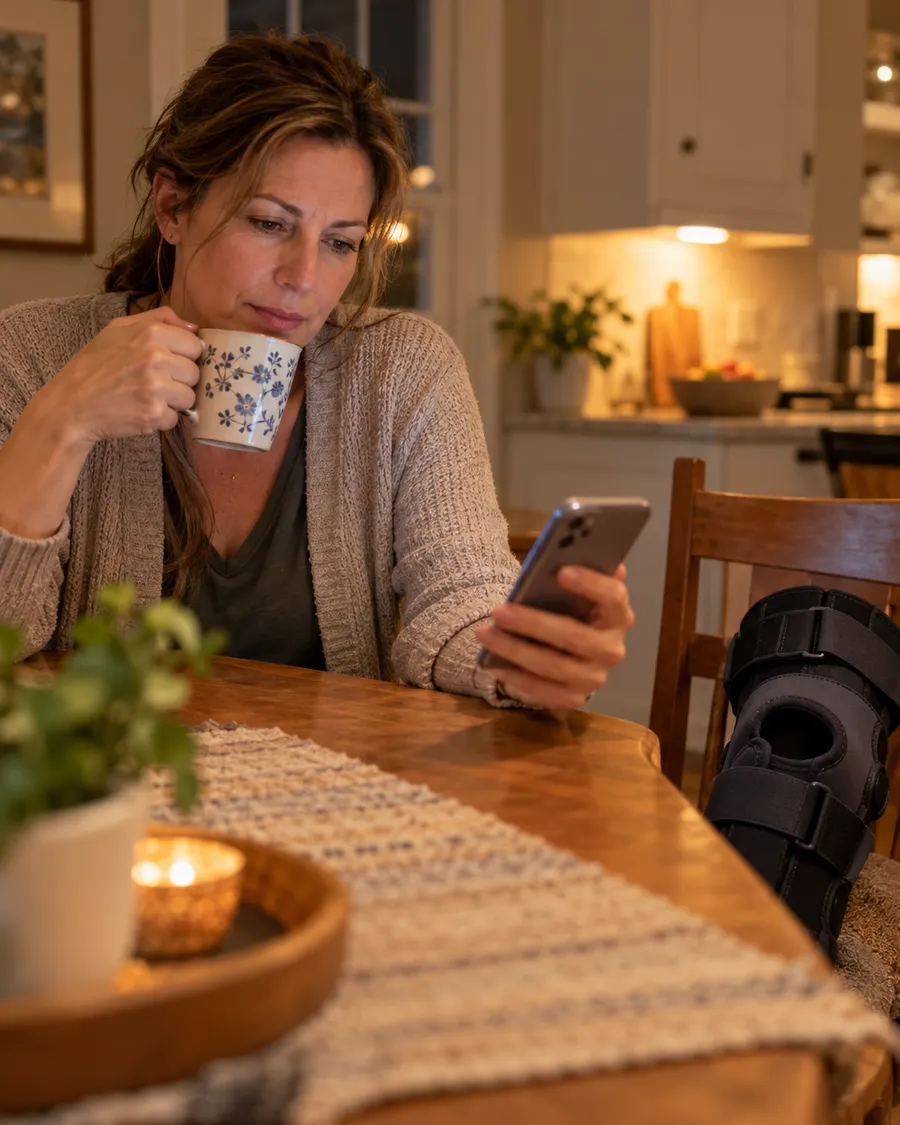
A few years ago, most patients in India found a doctor through family, a neighbor or the nearest hospital. They still ask family. But before they book, almost all of them now search the doctor’s name on Google, check the reviews, look at Instagram or YouTube, and increasingly ask ChatGPT or Google’s AI answer what it thinks.
Digital marketing for doctors is simply making sure that what patients find is accurate, reassuring and easy to act on. This guide covers what works for doctors and clinics in India today, in the order we usually recommend.
Start with your Google Business Profile
For most specialties, the Google Maps results are the first thing a patient sees when they search “orthopedic doctor near me” or “gynecologist in Gachibowli”. Your Business Profile decides whether you appear there and whether the patient calls.
- Use your real name and clinic name, the exact address and a phone number that is answered.
- Choose the most specific category, such as “Orthopedic surgeon” rather than “Doctor”.
- List your consultation hours accurately, including the days you operate or visit another hospital.
- Add real photos of you, your clinic entrance, waiting area and team.
- List the treatments you offer as services.
If you consult at more than one hospital, each location can have its own listing as long as you actually see patients there at set times.
Build a website patients can trust
Social media is not enough on its own. A simple, fast website gives patients and Google one place that explains who you are and what you treat.
A good doctor website in India has:
- A clear home page with your specialty, qualifications, registration details and where you practice
- A page for each major condition or procedure, written in plain English (and in the local language if your patients prefer it)
- A visible phone number, WhatsApp button and simple appointment form that works well on a phone
- Your hospital affiliations and a real photo of you
Most patients will open your website on a mobile phone over a 4G connection, so speed matters as much as design.
Earn reviews, steadily and honestly
Ratings are often the deciding factor when a patient compares two doctors. Ask satisfied patients personally at the follow-up visit, when they are feeling better, and make it easy with a QR code at the reception desk.
Never buy reviews, ask staff to write them, or offer discounts in return. Google removes fake reviews and can restrict your profile, and patients notice when every review sounds the same. Reply to reviews politely, and never mention a patient’s condition in your reply.
Use short videos to explain, not to advertise
Short videos on Instagram and YouTube let patients see how you explain things before they meet you. They work best when they answer real questions you hear in your consultation room:
- “Do I really need a knee replacement?”
- “How long will I be off work after this surgery?”
- “What should I eat after my child’s appendix surgery?”
Speak naturally, keep each video under a minute, and post regularly. A phone, a quiet room and good light are enough to start.
Follow the NMC rules
Medical advertising in India is regulated. The National Medical Commission’s professional conduct rules set limits on how doctors may promote themselves, and they change from time to time, so check the current guidance before you publish. As a practical baseline:
- Share education and factual information about your services, not claims of being “the best”.
- Do not guarantee outcomes.
- Get written consent before sharing any patient’s photo, story or video.
- Avoid before-and-after images unless you are certain they are allowed for your specialty.
When in doubt, keep the content educational. It is also what patients trust most.
Consider paid ads carefully
Google Ads can bring enquiries within days, which is useful for a new clinic or a new service. Keep them focused on specific treatments in your area, send people to a page about that treatment, and track how many ads turn into actual appointments, not just clicks. Meta ads on Facebook and Instagram work well for awareness and health camps, within the platforms’ health advertising policies.
Get ready for AI search
More patients now ask AI assistants which doctor to see. These tools draw on what they can find about you: your website, Google profile, reviews and mentions on other sites. Consistent details everywhere, clear treatment pages and genuine reviews make it more likely you are described accurately.
A simple 90-day plan
| Month | Focus |
|---|---|
| Month 1 | Complete your Google Business Profile, fix your details everywhere, start asking for reviews |
| Month 2 | Website pages for your main treatments, WhatsApp and booking flow |
| Month 3 | Two short videos a week, and a small Google Ads test for one treatment |
How to measure progress
Track a few numbers every month: calls and WhatsApp messages from Google, website appointment requests, new reviews, and where each new patient says they found you. If those numbers rise, your digital marketing is working, whatever the follower count says.
Where to start
Score your current online presence with our free Doctor Brand Score, or see how we help doctors grow with digital marketing for doctors. For an example of what steady work over two years can do for one surgeon, read the Dr. Arun Dev case study. When you are ready, book a free strategy call.
Keep reading
Related insights.
-
How to choose a healthcare marketing agency: 12 questions to ask
Most doctors and hospital leaders have a story about a marketing agency that promised a flood of patients and delivered a pile of reports instead. Healthcare...
-
Boosting patient engagement: how a healthcare digital marketing agency can help
Are you a healthcare provider looking to boost patient engagement and enhance your digital presence? Look no further than a healthcare digital marketing agency. In...
-
How doctors get recommended by ChatGPT and Google AI answers
"Who is the best knee replacement surgeon near me?" More patients now type questions like this into ChatGPT, Gemini, Perplexity or Google, and get a short written...