
Most practices do not have a patient problem. They have a visibility problem, a follow-up problem, or both. Patients who need you are already searching, asking friends and reading reviews. The question is whether they find you, trust what they see and can book easily.
These are the ten steps we see make the biggest difference for private practices, from solo surgeons to multi-doctor clinics, in roughly the order we recommend.
1. Know which patients you want more of
“More patients” is too vague to act on. Pick the two or three treatments or conditions that matter most to your practice, clinically and financially. Every step below works better when it points at a specific patient, such as “people with knee arthritis who have tried physical therapy”, rather than everyone.
2. Fix your Google Business Profile
For most practices, the map results on Google are the most valuable spot on the internet. Patients call, get directions and compare ratings there, often without visiting your website. Check that your primary category is specific, your treatments are listed as services, your hours, phone number and map pin are right, and you have recent, real photos. Our local SEO service covers this in detail.
3. Build a steady flow of genuine reviews
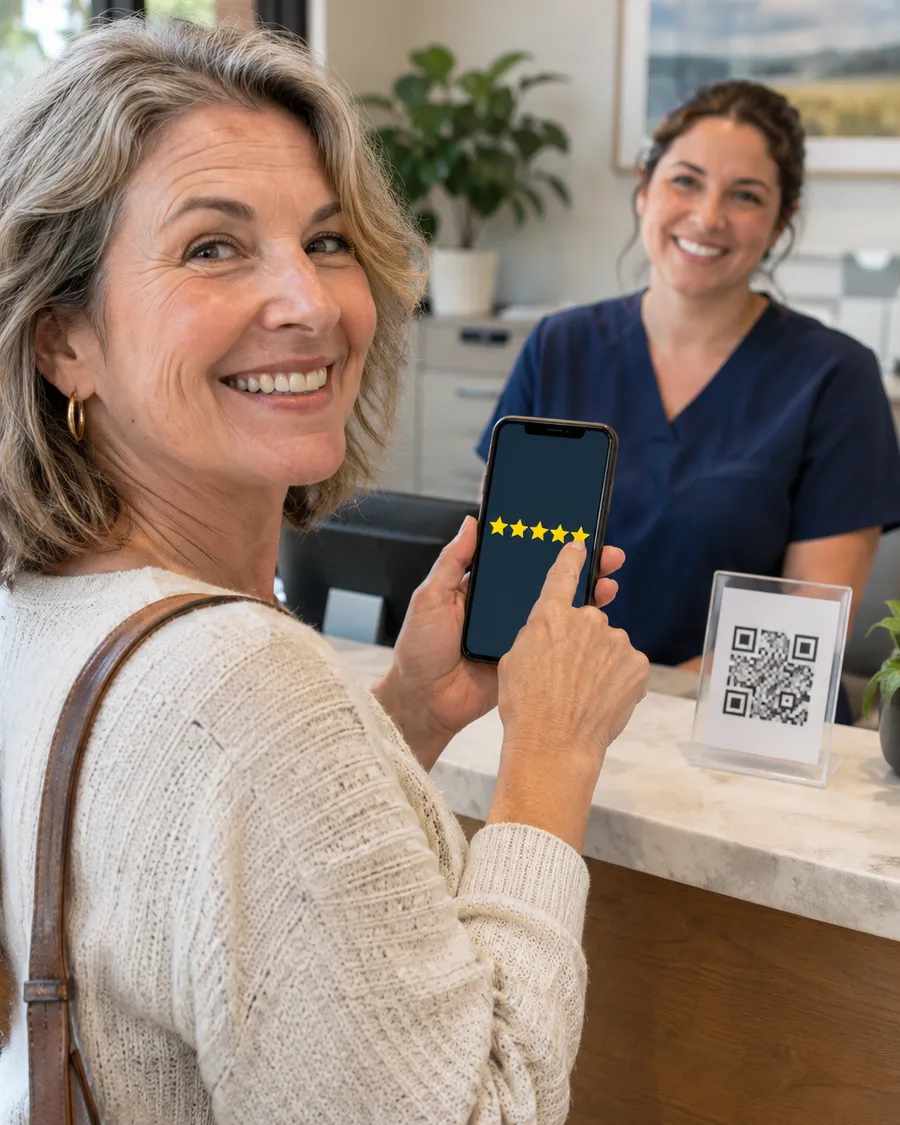
Patients read reviews before they call. Ask happy patients at the right moment, make it easy with a direct link, and reply to every review without sharing any patient details. Never offer rewards and never ask only happy patients. Our guide on how to get more Google reviews walks through the full system.
4. Give each treatment its own page
Patients search for specific problems, such as “rotator cuff surgeon near me” or “PRP for knee pain”. A single services page cannot rank for all of them. Give each major treatment a page that explains who it is for, what happens, recovery and costs where you can share them. This is the core of SEO for doctors.
5. Make booking easy on a phone
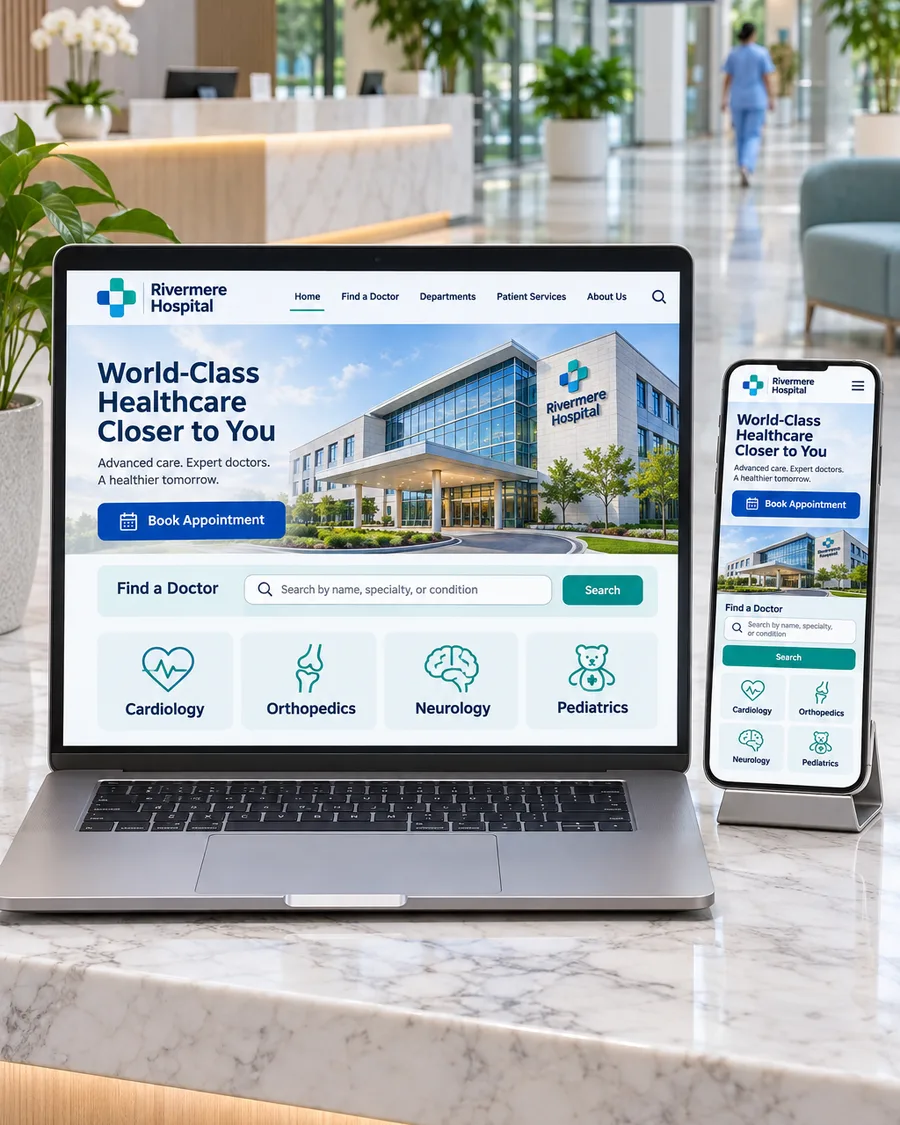
Most patients will find you on a phone. If your website is slow, hides the phone number or makes people fill in a long form, many will leave. Put a clear “Book” or “Call” button on every page, keep forms short and show your location and hours without scrolling. A good medical website is built around this.
6. Answer every inquiry fast
Speed matters more than most practices realize. A patient who calls or fills in a form is often contacting two or three practices at once. Whoever answers first, warmly and with a clear next step, usually gets the appointment. Set a goal of answering web inquiries within the hour during working hours, and track how many inquiries turn into booked visits. Our patient lead generation work starts here.
7. Strengthen referral relationships
For many specialists, referrals from other doctors are still the biggest source of new patients. Make it easy to refer to you: a simple referral process, quick appointments for referred patients, and a short update to the referring doctor after the visit. Small courtesies keep referrals coming.
8. Use short, helpful videos
Video helps patients feel they already know you before they walk in. Short clips answering common questions, explaining a procedure or showing your clinic work well on your website, Google profile, YouTube and Instagram. Keep them educational and accurate, and get consent before showing any patient. See our video content service.
9. Run focused search ads for your priority treatments
Once the foundations are in place, Google search ads can bring patients who are ready to book now. Keep campaigns narrow: a few high-intent searches for your priority treatments, sent to a matching treatment page, and measured in booked consultations rather than clicks. Broad campaigns sent to the home page usually waste money. See our Google Ads for healthcare service.
10. Make sure AI assistants describe you correctly
More patients now ask ChatGPT or Google’s AI answers which doctor to see. These tools draw on your website, your Google profile, reviews and what other sites say about you. Consistent, accurate information everywhere helps them describe your practice correctly. Our guide on how doctors get recommended by AI explains what to do.
Specialty and hospital guides
The steps above apply to most practices. For more specific plans, see our guides to orthopedic practice marketing and hospital marketing strategies, or our marketing for surgeons.
FAQs
What is the fastest way to get more patients?
Usually your Google Business Profile and how fast you answer inquiries. Both cost little, and improving them often shows results within weeks. Search ads can bring patients quickly too, but they work best once your profile, reviews and website are in good shape.
How much should a practice spend to get new patients?
It depends on your specialty, location and competition. Start with the free foundations, then set a budget based on what a new patient is worth to your practice and track the cost of each booked appointment.
Do I need social media to get more patients?
It helps, but it is rarely the first priority. Search, maps and reviews usually bring more ready-to-book patients. Social media and video work best for building trust over time.
How long does it take to see more patients?
Profile, review and follow-up improvements can show results in weeks. Search rankings for competitive treatments usually take several months.
Keep reading
Related insights.
-
How to get more Google reviews for your medical practice
Most patients read reviews before they book. They look at your star rating, how many reviews you have, how recent they are, and how you reply when something goes...
-
Hospital website design: 12 features patients look for
A hospital website has one job above all others: help a worried person find the right care and take the next step. Patients rarely arrive to admire the design. They...
-
Aesthetic clinic marketing: what works and what is allowed
Aesthetic and cosmetic clinics compete in one of the most crowded corners of healthcare marketing. Clients compare clinics on Instagram, read every review and often...